
Find San Rafael Neighbors Around an Address
Start any block lookup with the target parcel itself. Separate the land that touches it from the people who actually use it. MarinMap gives the physical shape. The assessor and Recorder add owner or recorded-party clues under their own access rules. Permits carry project history. A historical street directory can place a person at a number. It does so in a past publication year. A neighborhood organization rounds things out with public board contacts and meeting details.
| Source | What It Shows About a Block | Access |
|---|---|---|
| MarinMap parcel viewer | Target, touching, opposite, and boundary parcels | Free interactive map |
| Assessor and Recorder | APN, parcel facts, owners, recorded parties | APN search, index, paid copies |
| City or county permits | Applicants, contractors, work, dates, status | Portal or custodian request |
| Voter file | Selected registration fields for approved requests | Purpose-controlled disclosure |
| Neighborhood associations | Public officers, contacts, meetings, service area | City inventory or group contact |
| Historical directories | Past occupant at a street number | Library or database access |
An owner is not always a neighbor in the everyday sense. Someone may own the lot yet live elsewhere. A non-owner occupant may never appear in the rolls at all. A public association contact may not speak for every household on the block. That gap is why a San Rafael resident lookup needs more than one record type. Note: A block source table keeps geography, ownership, projects, history, and community contact separate. It does not merge them into one list.
Map San Rafael Neighbor Parcels
MarinMap's adjacent-parcel method is visual. Search the target address, then zoom until the parcel outlines and labels read clearly. Click the target feature and note the APN, situs, jurisdiction, and map date. Then click the parcels that share side or rear boundaries, plus those opposite the street, opening each official parcel, deed, or permit record on its own.
- Find the address or APN in MarinMap.
- Turn on parcel and jurisdiction layers and identify the target feature.
- Write down each touching or opposite APN without guessing from a label.
- Compare each APN with assessor, Recorder, and permit evidence.
- Use a named-street workflow only when the goal expands beyond the immediate block.
A radius or buffer can grab far too much. Sharing a boundary is not the same as sitting near it, and a map cannot produce a household roster for anyone hoping to find neighbors in San Rafael. The parcel viewer supplies the geographic frame. Let it lead to separate official checks, never to an assumption about who occupies the land next door.
Build a San Rafael Neighbor Worksheet
An APN worksheet keeps a block search honest. Give each row one parcel. Record its situs address, jurisdiction, map or tax-rate clue, owner evidence, permit evidence, and the date checked. The assessor web search accepts a parcel number in 999-999-99 form plus a map book and page. California Revenue and Taxation Code section 408 limits dissemination, so it is not an unrestricted owner-name search. The Recorder's index adds a grantor, grantee, document type, date, and reference number. A deed or lien names a party to an instrument. It is not proof anyone lives there now. A permit shows an applicant, contractor, work description, and status, but it remains project evidence. Keep every field under the source that produced it.
| Parcel row | APN, situs address, jurisdiction, tax-rate area |
|---|---|
| Owner clue | Assessor or recorded document, with date and access limit |
| Project clue | Permit number, applicant, contractor, work, and status |
| History clue | Directory year, occupant, newspaper, or probate reference |
A block can straddle the city edge. In that case, compare San Rafael Community Development records with Marin County Community Development Agency records. Postal San Rafael does not settle a jurisdictional boundary. MarinMap service fields can include a formatted address, MailCity, ZipCode, Parcel, SitusCity, Owner, OwnerAddress, CreateDate, and UpdateDate. The public pop-up may not show every field in every configuration. Record only what the live parcel view displays, and remember the map is not survey-grade proof. An owner field may appear. Label it a map-service clue, and confirm it through the Assessor or Recorder before treating it as a recorded relationship. The field may be absent. If so, the APN still gives the worksheet a stable handoff to the next custodian. For a present-day block worksheet, the map date and source name matter as much as the APN. Ownership and layers update on different schedules, so two screens may not change together. Note: An APN worksheet is a handoff tool. Every owner or project field still needs its own custodian and date.
San Rafael Neighbors and Associations
Community directories answer a different question than official rolls do. San Rafael's city inventory names public-facing associations for areas such as Bret Harte, California Park, Canal, Dominican and Black Canyon, Fairhills, Gerstle Park, Glenwood, Lincoln and San Rafael Hill, Loch Lomond, Montecito and Happy Valley, Peacock Gap, Picnic Valley, Santa Venetia, and Sun Valley. Boundaries shift and activity fades. The city's current association inventory remains the reference point for any San Rafael street directory or neighborhood search.
| Community layer | Useful public contact | What it does not promise |
|---|---|---|
| City neighborhood association | Board contact, meeting, service area | Complete member roster |
| HOA or development group | Governing or management contact when published | Public household list |
| Congregation or civic group | Public office or program contact | Private membership records |
| Block or watch group | Voluntary public contact when offered | Official residency evidence |
Use the City of San Rafael neighborhood-association inventory to find a public contact. A published board name is never a roster of everyone on the block. Note: Public association contacts can open a civic conversation without disclosing private member or household information.
San Rafael Owners and Neighbors
Owning a parcel is one thing. Living on it is another. Belonging to a community in San Rafael records is a third. The assessor lists a mailing address that may differ from the situs. A deed names a party to one transaction. A permit names one project participant. A residents directory volume places a person at an address for a publication year. None of these sources shows every person who shares a parcel.
So a block list should stay honest about what each record supports. Good labels read like "owner associated with APN," "permit applicant on a dated project," "historical occupant in a named volume," or "public association contact." Guesswork fills the gap badly. To trace a whole street rather than one block, use the San Rafael street directory. Follow the address chain there.
Often the best neighbor lookup is simple. It is a parcel map plus a civic contact, not a longer list of names.
San Rafael Neighbor Voter Rules
Marin's Voter Information Portal checks one person's own status. It demands exact name spelling, birth date, house number, and a California identification field. A match returns voter-specific election links. It also returns vote-center and drop-box details, guides, contests, measures, and a sample ballot. It does not let anyone browse a street.
The rules around the file are strict. California Elections Code section 2194 and 2 CCR sections 19001-19013 govern access. Marin requires an original signature, current state ID, and a fee. It also demands evidence of an election, political, scholarly, journalistic, or governmental purpose. Approved requests may yield a secure file. A redacted single-voter paper or PDF is another possible output. Commercial use, harassment, overseas storage or viewing, and unapproved transfer are all barred.
That gate explains why neighbors cannot be inferred from a missing or controlled voter result. The voter-file request page comes from the Secretary of State. It shows what any San Rafael neighbors search must respect.
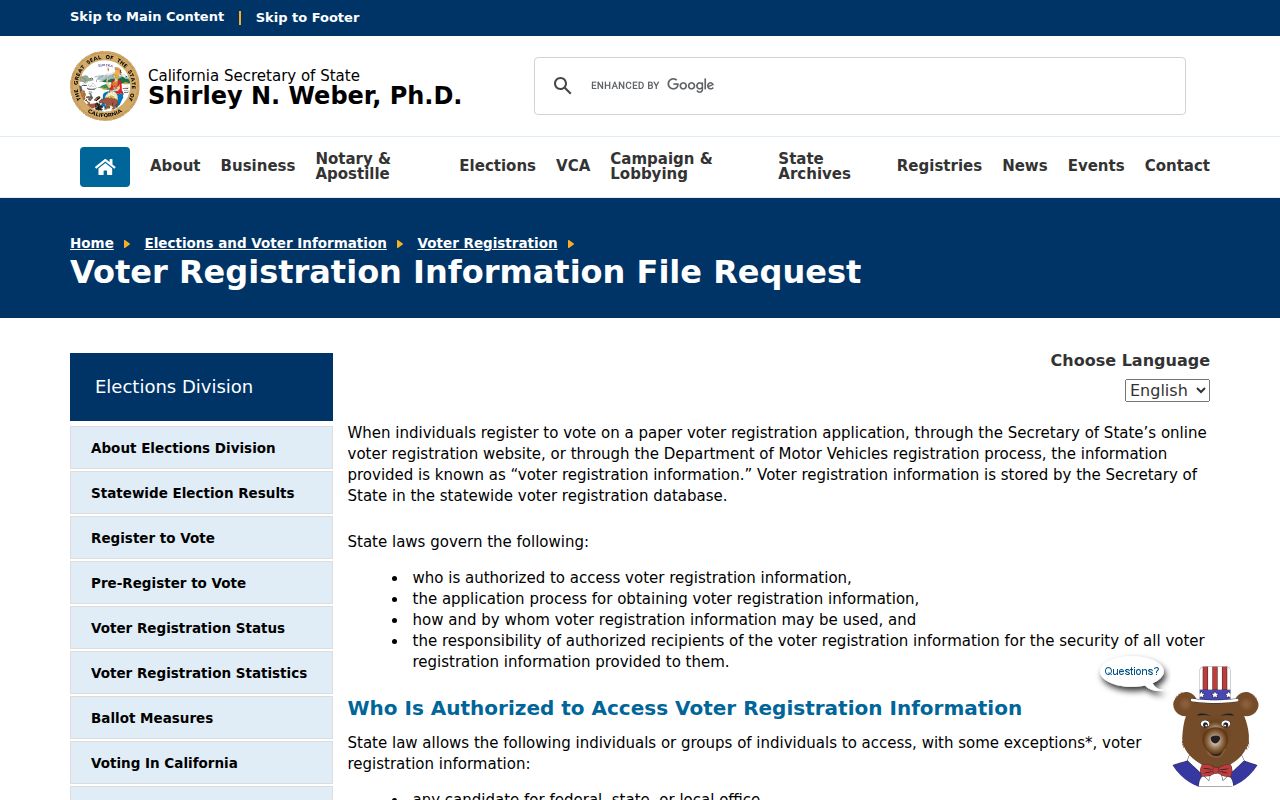
The application is a gate for approved use. It is not an online block search.
Voter access regulations add purpose and handling limits that a neighborhood lookup must respect. The voter-access regulation page spells out those handling rules behind a San Rafael neighbors lookup.
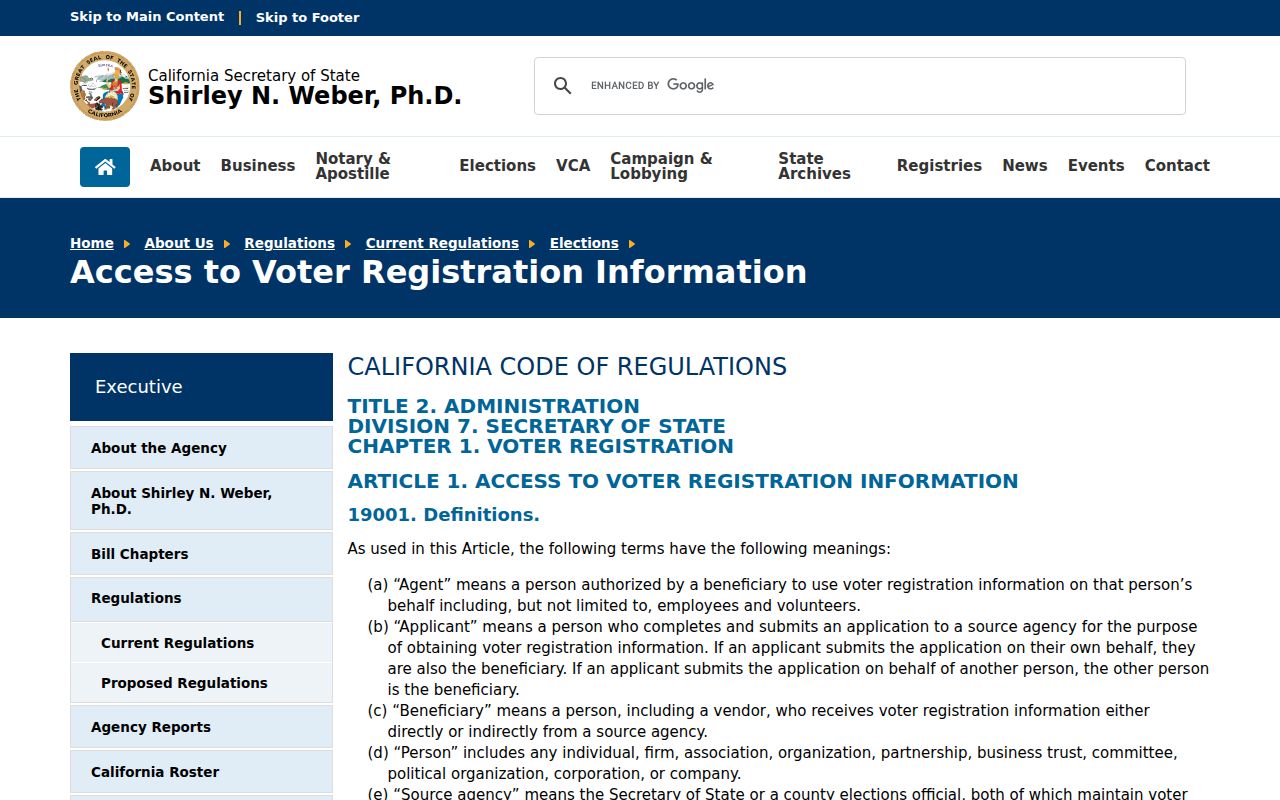
Read California's voter access rules before making any request.
Note: A controlled voter file cannot be converted into an ordinary San Rafael neighbors directory list.
San Rafael Neighbor Contact Records
A neighborhood association may publish a board email, meeting time, or service boundary. At the same time, it keeps member names private. An HOA can govern parcel by parcel without an open roster. Congregations, veteran groups, schools, and block watches control their own lists too. Ask for the public contact or a way to pass along a message. Don't expect a roster of private households.
Historic collections work differently. The Kent Room and Marin History Museum may hold yearbooks, oral histories, photographs, clippings, and directories. Access follows local conditions. A published name in an archive is a date-bound clue. It should never become a present-day neighbor claim.
For fraud or impersonation wearing a neighborhood name, use the FTC fraud report. The right local channel may work too. Internet-enabled crime can go to the FBI Internet Crime Complaint Center. The IC3 site lays out that reporting route. That is safer than circulating a suspected scam through a private neighborhood list.
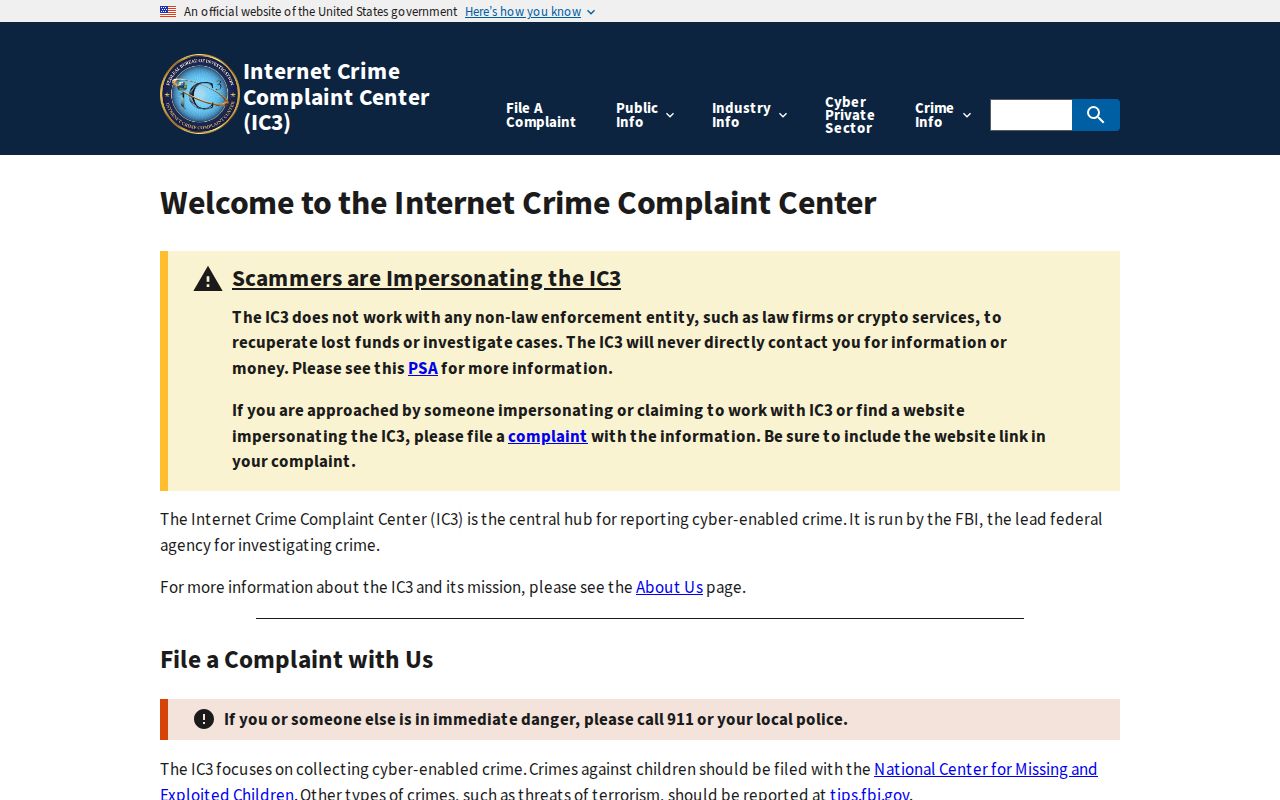
A public report route is safer than passing a suspected scam through a private list.
Lawful San Rafael Neighbor Lookup Limits
Some records must stay out of any block directory. Protected residents, non-owner occupants, and utility accounts never form a legitimate public list. Delivery accounts, customer data, and DMV addresses never do either. Safe at Home gives eligible participants a designated government mailing address. It also provides mail forwarding, an agent for service, and confidential voter registration under Government Code sections 6205 and following. Property bought in a participant's own name may still expose a legal description. The program is part of a safety plan, not total record erasure.
California's Delete Request and Opt-out Platform launched January 1, 2026 for verified residents. One request reaches more than 600 registered data brokers. It covers broker data, not the lawful removal of official public records. Anyone seeking removal should save confirmations, limit identity documents, and recheck each broker route.
The Safe at Home guidance from the Secretary of State explains that separate confidentiality path. It applies to eligible participants.
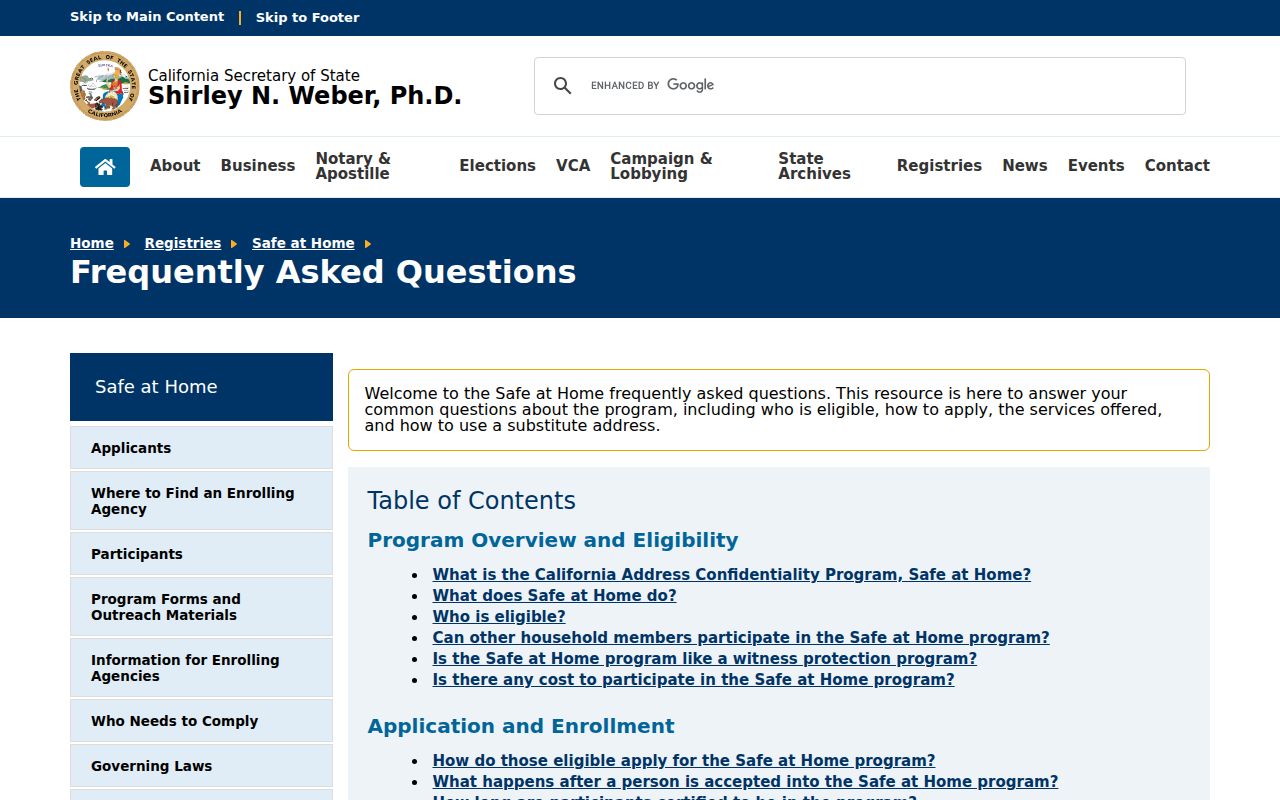
The California privacy platform provides a different route for broker deletion requests.
The state platform is separate from Marin's property-fraud notice process. The Recorder and District Attorney run a joint program. Through it, an owner can be mailed a notice plus the first two pages of a newly recorded title-affecting document at the assessor mailing address. Confirm the official route first. Paying a private monitoring offer before checking is rarely wise.
Open Safe at Home guidance or California DROP for the proper privacy process.